Showing posts with label Chirashizushi. Show all posts

Monday, March 2, 2015

Japan Celebrates the Arrival of Girls' Day

Excitement is growing throughout Japan due to the arrival of one of the nation’s biggest holiday traditions, Girls’ Day. The millennia old celebration, also referred to as Hinamatsuri or the Doll Festival, takes place every year on March 3rd. With all the history and tradition behind this special day comes just as many customs and celebrations. 

One of the oldest, and most important, customs that comes each year with the arrival of March 3rd is the displaying of dolls, the reason behind one of the holiday's names. This practice began during the Heian period. The dolls can start to be seen being displayed throughout Japanese homes around mid-February and remain there through the end of the celebrations. It is also customary for many people to participate in an ancient Japanese custom called hina-nagashi, one of the very first practices of Girls’ Day. During hina-nagashi people place straw dolls into a boat and cast the boat out to sea, believing the dolls carry the bad spirits away with them. The more exquisite dolls do not get put in the boats- sometimes these dolls are passed down through generations- instead they get taken down and put away after the celebrations have come to an end. Although they are put on display in February, it is important that the dolls are taken down no later than March 4th, or it is believed the daughter of the family will get married late. 


And what kind of holiday would be complete without food and drinks? Along with the traditional celebrations during the holiday come traditional dishes. Traditional foods consumed on this day include hina-arare, bite-sized crackers flavored with either soy sauce or sugar (which one depends on the region) as well as colored rice cakes, or hishimochi. Chirashizushi, sushi rice flavored with sugar and vinegar then topped with raw fish among other various ingredients, is also a holiday favorite. 

For girls seeking a united and peaceful relationship, it is suggested that they consume ushiojiru, a soup, that contains clams still in their shells because a pair of clam shells can fit perfectly together- but only with the original pair. In addition to traditional foods, Girls’ Day also brings to the table a customary beverage, called shirozake, a Japanese sake made from fermented rice.

Wednesday, June 19, 2013

Sushi Day: Appreciating the Beloved Asian Cuisine (Part Two of Two)


ONCEkids Wishes You a Happy Sushi Day!

If you have never before tried the delicious and addicting Asian dish, there is no better time to than on Sushi Day! 

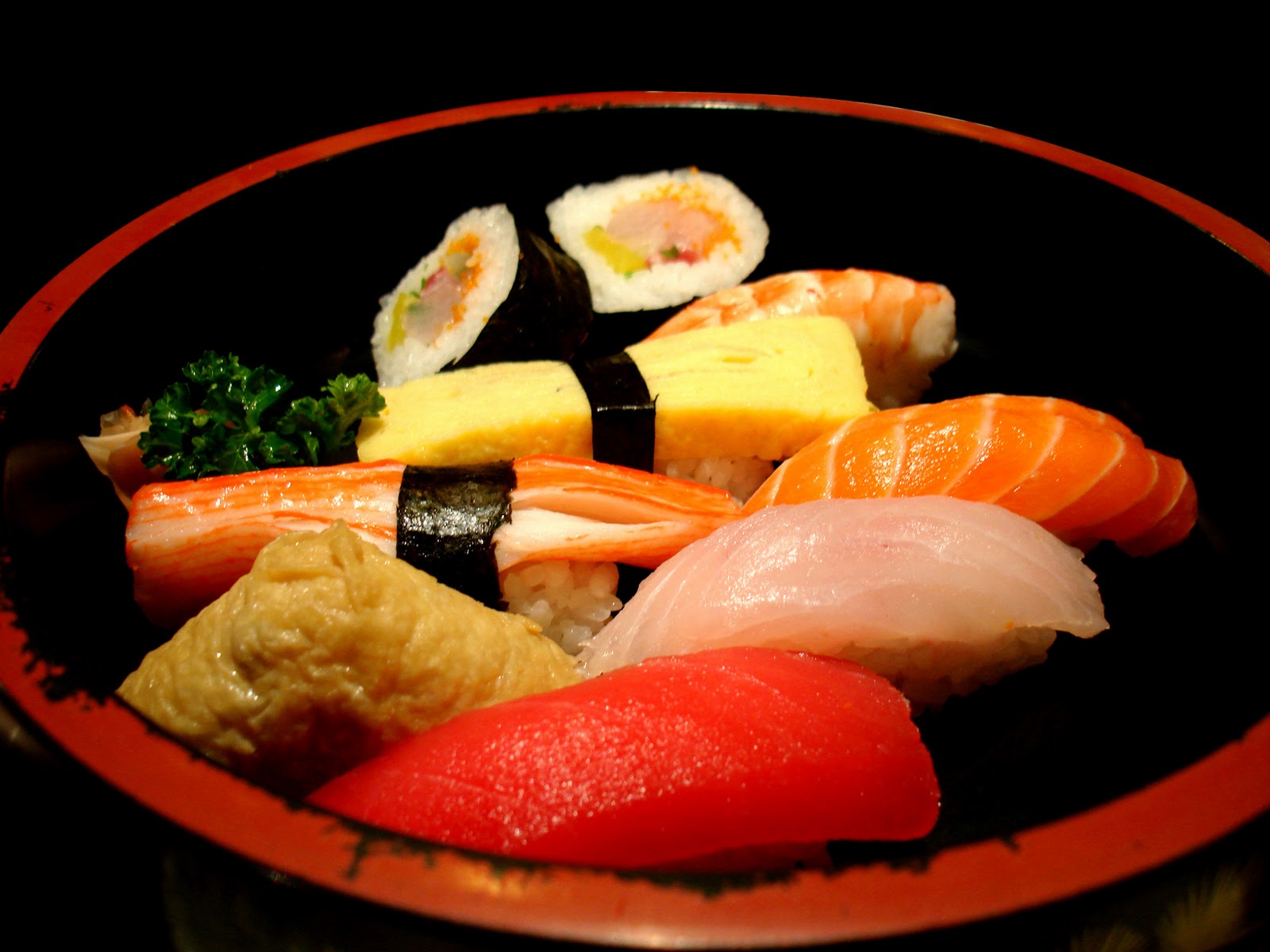
The countless types and styles of sushi make it easy to find at least one sushi dish that will appeal to your taste buds. Since sushi has been loved and consumed by the people of Japan and China for hundreds of years, it is no surprise that over the years several different types of sushi have since emerged. The texture and taste of the different dishes comes from the varying fillings, toppings, and methods of preparation.

The first, Chirashizushi, consists of a bowl of sushi rice that is topped with sashimi and garnishes. Different cooked or uncooked ingredients may be added to the simple and easy-to-make dish depending on the chef or the specifications of the customer. 

The next type of sushi, called Inarizushi, varies depending on where in the world you are ordering it, but its basic ingredients include a pouch of fried tofu filled with sushi rice. There is a version of Inarizushi that also includes green beans, carrots, and gobo in addition to the rice- this version is specifically a Hawaiian specialty!

Has your family received a NookKindle or iPad this year?  Find Fujimini Adventure Series award-winning books here.  Great family-friendly gifts


Narezushi is the traditional form of sushi, which includes the fermentation process. This complicated but richly traditional process of preparation includes stuffing the skinned and gutted fish with salt, placing it in a wooden barrel, and leaving it there to allow the water seep out. Once six months have passed, the sushi is ready for consumption. Wow, that's dedication! 

The next type of sushi is Nigirizushi, or hand pressed sushi. This variation of sushi consists of a rectangular-shaped mound of sushi rice, with wasabi and a topping of fish draped over it. Typical topping fish include tuna, salmon, or other seafood such as eel or octopus. 

The second to last type of sushi is known as pressed sushi or boxed sushi, or in Japan, Oshizushi. This complex but delicious style of sushi consists of a block-shaped piece formed by a wooden mold, otherwise known as oshibako, lined with toppings and covered with sushi rice. The lid of the mold is then pressed down by the chef to create a compact box. The block is then removed and cut into bit sized pieces. This style of sushi derives from the Kansai region and is a specialty, as well as a favorite, of Osaka

The last type of sushi is the kind that you have most likely seen or heard of before, Makizushi, or rolled sushi. This sushi is typically wrapped in a seaweed covering and cut into six or eight pieces. It can also be wrapped with soy paper, cucumber, or shiso leaves. There are four different variations that have stemmed from this particular style of sushi. These include Futomaki, Hosomaki, Temaki, and Uramaki. These variations come from the different types of fillings and sizes of the Makizushi. 

To learn more about the cultural and diversity taught at Fujimini Island, please click here.

So make sure to pick up some sushi at your local grocery store or head down to an Asian style restaurant to try one of their most delicious dishes! Happy Sushi Eating!